
Anxiety vs Panic Attacks: What's the Difference?


Have you ever felt your heart racing and wondered, "Am I having a panic attack… or is this just anxiety?" You're not alone. Although the two terms are often used interchangeably, they aren't actually the same thing.
Understanding the difference can help you know when to seek help—and reassure you that what you're experiencing is more common than you might think.
Anxiety: The Slow Build
Anxiety is your body's response to stress or perceived danger. It tends to develop gradually and can last for hours, days, or even weeks.
Common symptoms of anxiety include:
Excessive worrying
Feeling restless or "on edge"
Muscle tension
Difficulty concentrating
Irritability
Trouble sleeping
Fatigue
Mild shortness of breath
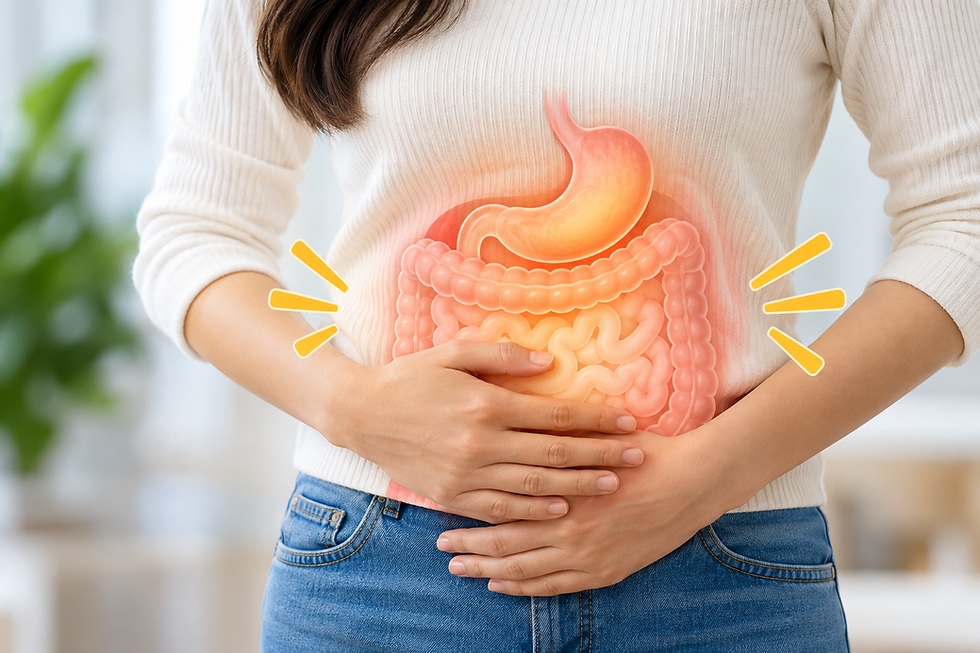
Upset stomach or nausea
Anxiety often has an identifiable trigger, such as financial worries, work pressures, relationship problems, or health concerns.
Think of anxiety as your brain's alarm system being turned up a little too high for a prolonged period.
Panic Attacks: The Sudden Storm
A panic attack is a sudden episode of intense fear that peaks within minutes.
Symptoms can include:
Racing or pounding heart
Chest pain or tightness
Shortness of breath
Dizziness or light-headedness
Sweating
Trembling
Nausea
Tingling sensations
Feeling detached from reality
Fear of losing control
Fear of dying
Unlike anxiety, panic attacks can seem to come "out of the blue," even when there is no obvious danger.
Many people experiencing their first panic attack believe they are having a heart attack and seek emergency medical care.
So, What's the Main Difference?
Anxiety is usually:
Gradual in onset
Linked to ongoing stress or worries
Longer lasting
Variable in intensity
Panic attacks are usually:
Sudden and intense
Peak within about 10 minutes
Often unpredictable
Physically overwhelming
When Should You See a Doctor?
You should seek medical advice if:
Symptoms are frequent or affecting daily life.
You avoid activities because you're afraid of having another episode.
You're unsure whether symptoms could be related to a medical condition.
Chest pain, palpitations, thyroid problems, asthma, certain medications, and heart rhythm disturbances can sometimes mimic anxiety or panic attacks and deserve proper evaluation.
The Good News
Both anxiety and panic attacks are treatable.
Treatment may include lifestyle changes, psychological therapies such as cognitive behavioural therapy (CBT), stress-management techniques, and, in some cases, medication.
You don't have to "just live with it."
Understanding what's happening in your body is often the first step toward regaining control.
For more medical content, check out Askadoc Yutube.
Stay healthy,
Dr. Joanna


Comments